




|
|
|
|
||
|
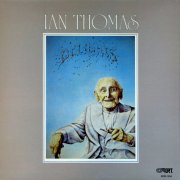 |
Delights (1975, 36.17) **½/T |
|
| Julie Devil's on Your Case Delight From Demoon Catherine Star Pennydarren The Good Life A Gathering of Angels |
Captured in Your Dreams Living on the Dole |
|
 |
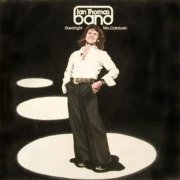 |
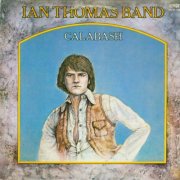
Calabash [a.k.a. Goodnight Mrs Calabash] (1976, 35.17) **½/TTT |
|
| Liars For What You Are Big Parade Nightmares and Dreams See Us When You Can Mary-Jane Right Before Your Eyes Don't Want to Love You |
Everyday Goodnight Mrs Calabash |
||
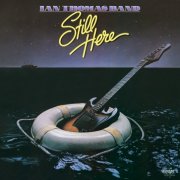 |
Still Here (1978, 40.39) **½/T½Just Like YouSally I Really Love You Clear Sailing Still Here Coming Home Faces Tinkerbell Tycoon |
Current availability:
Mellotron used:
Ian Thomas' career started in the late '60s, when he was still in his teens, although it took him until 1973 to release his first (self-titled) solo album. His third effort, 1975's Delights, is a decent enough album of its type, several tracks (notably Delight From Demoon) falling into the 'proto-AOR' bracket, for better or worse. Thomas' new keyboard player, Hugh Syme, is better known around these parts for his considerable Rush connections, not least designing most of their album sleeves and playing the gorgeous Mellotron part on their only proper Mellotron track, 2112's Tears. Anyway, he and Thomas both play what I presume is Syme's M400, with a pseudo-orchestral string line on opener Julie and strings (and what sound like real voices) on A Gathering Of Angels, with an upfront flute part later on, although those are clearly real strings on Star, Captured In Your Dreams (plus real flutes) and closer Living On The Dole.
His follow-up, '76's Calabash (released in the UK with a different running order as Goodnight Mrs Calabash, for some reason), features the Mellotron on over half its contents, pleasingly. The album itself veers between ordinary-if-acceptable middling rock fare (opener Liars, Mary-Jane) and dated, dullsville, mid-'70s pop/rock (everything else), although I'm fully aware that for a non-genre songwriter, that was a perfectly acceptable style at the time, which doesn't enhance our listening pleasure today, sadly. Syme plays Mellotron strings on no fewer than six tracks - essentially, everything highlighted above - notably some groovy pitchbends on Mary-Jane.
Despite everything the biography on Thomas' website has to say, the only description I can find for 1978's Still Here is late-'70s soft rock, I'm afraid. Not AOR enough for Foreigner fans, not singer-songwriter enough for the bedsitter types, certainly not 'rock' enough for the mainstream rock crowd, it's no more or less than dated, rather gutless West Coast-style soft rock. Although side two's Coming Home attempts an epic approach, it fails to appeal to prog fans by dint of its sheer wussiness and lack of genuine development, although that really wasn't where Thomas was coming from, in fairness. Syme on Mellotron once again, with a nice string part on I Really Love You and a few more chords on Clear Sailing and Tinkerbell, though that would seem to be your lot. [Thinks] Was it this machine he used with Rush? Does anyone aside from me care? [It almost certainly was. Rush ed.]
Anyway, while these are perfectly professional and I'm sure all the songs are well-written etc. etc., they bored me to tears (geddit?), although there's some decent Mellotron work on Calabash.
n.b. As also referenced in my Rush review, Darren has pointed me towards an oddity on Ian Thomas' website; an answer to a question from the man himself, viz:
| "I do believe the Mellotron you refer to [on Thomas' The Runner] may very well have been played by the multi-talented Hugh Syme on the Rush track "Tears". That Mellotron was the best one I had ever seen over the years. It was a double manual and with a pretty comprehensive tape library. Note: incorrect. Further down the same page, Syme is quoted as saying, "We used the (classic) white Mellotron 400 (single manual) model [on both the Thomas and Rush recordings]". There is a greater story to that Mellotron in that it was sold to Geddy by none other than the late great jazz pianist Oscar Peterson [Note: who definitely owned a twin-manual MkV]. Oscar, rest his warm curious soul, was always interested in any technology involving music and in particularly anything involving his love... the keyboard. The songs that the Mellotron were used on didn't make it to the record unfortunately, but my gratitude to Geddy's sense of generosity remained. And hence the credit". |
So... Syme used a standard M400, but played Geddy's MkV on The Runner sessions, although none of the relevant tracks are actually on the album.
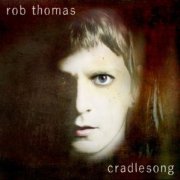 |
Cradlesong (2009, 53.33) *½/½ |
|
| Her Diamonds Gasoline Give Me the Meltdown Someday Mockingbird Real World '09 Fire on the Mountain Hard on You |
Still Ain't Over You Natural Snowblind Wonderful Cradlesong Getting Late |
|
Current availability:
Chamberlin used:
Rob Thomas is better known as vocalist for the execrable Matchbox Twenty, so it comes as absolutely no surprise to discover that his second solo effort, 2009's Cradlesong, is as painfully mainstream as his band's 'work'. About the only positive thing I can think of to say about it is that one of the German bonus tracks, the powerpoppy Remembered Well, is better than anything on the regular release.
Patrick Warren does his usual Chamberlin thing, although the only thing I can hear is the faint flutes on Natural, which isn't to say there isn't a load more hidden away in the mix. All in all, this one to avoid, urgently, with next to no tape-replay work to sweeten the pill. Horrible.
See: Matchbox Twenty
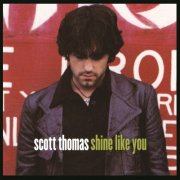 |
Shine Like You (1996, 48.02) ***/T½ |
|
| Somebody to Love Strange Wonderful Say You Love Me Buffalo Call Me Quick The Name Sad Girl |
Wanna Be You Sugar Baby Pheno Barbie Blues Priscilla |
|
Current availability:
Chamberlin used:
Scott Thomas emerged from the same L.A. scene as Aimee Mann, Jon Brion, Rufus Wainwright and others, releasing his debut, Shine Like You, in 1996. It's a pretty decent pop/rock album, at its best on intense opener Somebody To Love, the gentle Buffalo and Sugar Baby, although it could've been improved by trimming a couple of lesser tracks.
Patrick Warren plays Chamberlin, with upfront strings on Somebody To Love and background ones (and flutes?) on closer Priscilla, although the strings on Buffalo sound real. Since Thomas seems to be as good a writer as many of his contemporaries, his relative lack of success is most likely down to bad luck, rather than lack of talent.
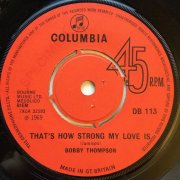 |
7" (1968) ***/TT½ That's How Strong My Love is Trouble in the Town |
Current availability:
Mellotron used:
Bobby Thompson was yet another nom de plume for the prolific Dandy Livingstone, extracted from his real name, Robert Livingstone Thompson. That's How Strong My Love Is b/w Trouble In The Town, the only release (to my knowledge) from this version of his name, is a typical late '60s reggae single, probably really only worth hearing for genre fans.
The usual uncredited sessioneer (possibly T.J. Brown) plays Mellotron, with screechy strings on the 'A' and even screechier ones on the flip; well-recorded these ain't, despite emanating from a MkII. To my knowledge, these tracks remain unanthologised, although, given the disarray in which most Trojan artists' catalogues are kept, they may be available somewhere.
See: Dandy Livingstone
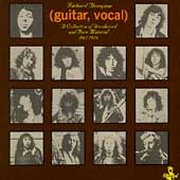 |
(Guitar, Vocal) (1976, recorded 1967-76, 68.57) ****/½ |
|
| Time Will Show the Wiser (Fairport Convention) Throwaway Street Puzzle (Fairport Convention) Mr Lacey (Fairport Convention) The Ballad of Easy Rider (Fairport Convention) Poor Will and the Jolly Hangman (Fairport Convention) Sweet Little Rock'n'Roller (Fairport Convention) A Heart Needs a Home The Dark End of the Street |
It'll Be Me Flee as a Bird Night Comes in The Pitfall/The Excursion Calvary Cross |
|
 |
Amnesia (1988, 43.48) ****½/T |
|
| Turning of the Tide Gypsy Love Songs Reckless Kind Jerusalem on the Jukebox I Still Dream Don't Tempt Me Yankee, Go Home Can't Win |
Waltzing's for Dreamers Pharaoh |
|
 |
Rumor and Sigh (1991, 61.28) *****/TT |
|
| Read About Love I Feel So Good I Misunderstood Grey Walls You Dream Too Much Why Must I Plead 1952 Vincent Black Lightning Backlash Love Affair |
Mystery Wind Don't Sit on My Jimmy Shands Keep Your Distance Mother Knows Best God Loves a Drunk Psycho Street |
|
 |
You? Me? Us? (1996, 74.06) ****½/½ |
||
| Razor Dance She Steers By Lightning Dark Hand Over My Heart Hide it Away Put it There Pal Business on You No's Not a Word |
Am I Wasting My Love on You? Bank Vault in Heaven The Ghost of You Walks Baby Don't Know What to Do With Herself She Cut Off Her Long Silken Hair Hide it Away Burns Supper |
Train Don't Leave Cold Kisses Sam Jones Razor Dance Woods of Darney |
|
 |
Still (2015, 50.52) ***½/½ |
|
| She Never Could Resist a Winding Road Beatnik Walking Patty Don't Put Me Down Broken Doll All Buttoned Up Josephine Long John Silver Pony in the Stable |
Where's Your Heart No Peace, No End Dungeons for Eyes Guitar Heroes |
|
Current availability:
Mellotron/Chamberlins used:
Richard Thompson first made his name as a callow seventeen year-old with Fairport Convention in the late '60s and has, for his sins, been tarred with the 'folk-rock' brush ever since. Admittedly, there are far worse brushes to be tarred with (?), but it would appear to have become a bit of an albatross round his neck; he apparently sells a consistent 10,000 copies per album in the UK, but despite huge critical acclaim, can't increase his audience. Anyway, to recap: Thompson left Fairport in 1971, kicking off his solo career the following year. After meeting and marrying his wife Linda, they recorded together for the rest of the decade, before an acrimonious split in the early '80s; I personally much prefer his post-split work, which (to my ears) reached a peak around the early '90s. He's still writing well and playing; after all, as a 'singer-songwriter' (for want of any better term), there's no good reason for him to stop any time in the near future.
The self-deprecatingly titled (Guitar, Vocal) was a stopgap album released during Thompson's self-inflicted three year musical hiatus, when he and Linda became Sufi Muslims and moved into a religious community. It's a double-LP set, one disc a compilation of rarities, the other more recent live material. It's worth it for Fairport's classic Poor Will And The Jolly Hangman, inexplicably left off their Full House LP (1970, ****½) and a storming live rendition of Calvary Cross. Fairport's b-side Throwaway Street Puzzle (remixed, apparently) has Mellotron credited to guitarist Simon Nicol, but to be honest, I'll be fucked if I can hear it.
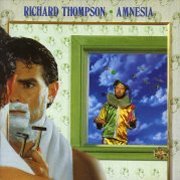
By 1988, Thompson's post-split career was well under way and he began working with noted US producer Mitchell Froom. Now, Froom was notorious for using Chamberlin on almost everything he produced during that period, the brilliant Amnesia being no exception. However, due to the instrument's irritating ability to disappear into the mix, I can actually only hear it on one track, Don't Tempt Me, one of the album's lesser songs. There must be a good six classic Thompson songs on the album and there may be some more Chamberlin on there, but it's certainly not immediately apparent.
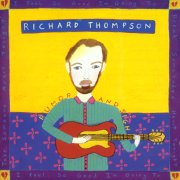
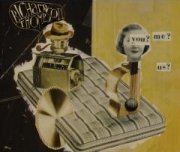
Its slightly belated follow-up, Rumor and Sigh (another Froom production) really is a classic record, featuring no fewer than eight or nine top songs, particularly the opening three numbers, with no noticeably substandard efforts in sight. The two obvious Chamberlin tracks both use strings and had me thinking they were Mellotron until I looked at the credits more closely. Grey Walls has a great ascending string line, although You Dream Too Much is a little more ordinary. Thompson's next classic, Mirror Blue (1993, ****½, quoting from Tennyson's The Lady of Shalott) doesn't appear to feature any Froom Chamby, but it turns up, albeit briefly, on '96's two-disc You? Me? Us? Although its combined length is under eighty minutes, this is one of those 'two albums in one' releases, subtitled Voltage Enhanced and Nude, two songs turning up both electrically and acoustically. Highlights include Razor Dance, Put It There Pal, Woods Of Darney and the superb Cold Kisses, but there's barely any dead wood to be heard. Froom's Chamby strings put in an appearance on a lesser track, Bank Vault In Heaven, making this an essential album, just not for its tape-replay use.
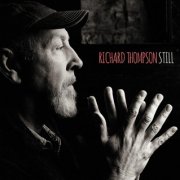
Thompson carried on releasing albums through the next twenty-plus years, from the rather ordinary (Mock Tudor, Front Parlour Ballads) to the inspired (Dream Attic, Electric), 2015's Still falling somewhere between those two extremes. Definitely worth hearing (he doesn't make albums that aren't, frankly), the five-track Variations EP that comes with the deluxe edition possibly contains some of the set's best tracks. Highlights of the album itself include opener She Never Could Resist A Winding Road, the beautiful Josephine and Dungeons For Eyes, although the 'oddest track' prize has to go to closer Guitar Heroes, a love song to Thompson's early influences. Mellotron? Wilco's Jeff Tweedy (he produced and recorded it at his own studio) plays what I presume to be his own MkVII (a Markus Resch-built two-manual MkVI) on, well, on what? I think that's a ghostly flute part on Broken Doll, but it's not exactly what you'd call outstanding use. Anyway, another fine album from a massively underrated artist.
So, although these albums are all total classics, only Rumor and Sigh has any obvious Chamberlin use and isn't really worth buying on those grounds alone. However, you should buy these IMMEDIATELY to hear a master at the (artistic) peak of his profession.
 |
Separate Ways (2005, 45.57) ***½/T |
|
| Shine So Bright I Should Get Up Everybody Move it I Wish it Was Over Separate Ways Sorry to See Me Go Altered State Think Again |
That's Enough Out of You No Way to Be You Made it Frontlines Take a Message to Mary |
|
Current availability:
Chamberlin used:
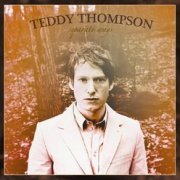
Teddy Thompson is, of course, the son of Richard (above), although physically, he more resembles his mother, Linda. Helping the old man out while still in his teens, it's surprising that Thompson the younger has taken so long to come to the public's attention, although he was only 24 when he released his solo debut. The trouble is, while you want to judge his music in its own right, it's almost impossible not to compare it to dad's, as with so many 'kids of famous people', which seems unfair, but then it could be argued, would he have a career if he wasn't who he was? He's a damn' good songwriter, but so are many other, far less well-known artists, who don't have the advantage of good parentage (works for actors, too, of course).
2005's Separate Ways is his second release and while second song in, I Should Get Up, could easily be Richard's, Teddy definitely stamps some of his own identity on the record. As dad guests, it's unknown whether the 'patented Richard Thompson guitar' is Teddy's take on the style or the real thing, while the more rock'n'roll numbers sound disarmingly like dad's Crash The Party-style numbers. Short of forming a metal band, though, or learning the cor anglais and joining an orchestra, what's the man to do?
Co-producer Brad Albetta plays Chamberlin, although the only obvious use is the string part on No Way To Be. Are those flutes on Altered State? Hard to say, so just the one definite. If you like Richard's work, you could do a whole lot worse than investigate his son's; as a Richard fan, I can't believe Teddy's been releasing his own albums for a decade and I haven't heard him before now. Separate Ways is a good, if not killer album and while its tape-replay use seems to be pretty minimal, it's hardly the album's defining feature.
 |
 |
Yaraandoo (1975, 29.49) ***½/TT |
|
| Baiame Moulding of Red Earth Nameless Children Drought - Killing New Life - Refusal Shadow of Yaraan Yowi - The Spirit of Death Flight of Yaraan |
Endless Search Entrance to Warrambool Part I Part II Tears of Blood - Endless Weeping |
||
Current availability:
Mellotron used:
Australian jazz guitarist Rob Thomsett recorded the instrumental Yaraandoo in 1974-5, releasing it on the tiny Kubernete label in an edition of just one hundred copies, for reasons lost in the mists of time. Based on ancient Aboriginal legends, it veers between the genuinely experimental and common-or-garden fusion, rather making you wish that he'd concentrated on the former, as the jazz element stubbornly refuses to stand out from the pack. The lack of banding on the vinyl and the album's rather unstructured approach makes it difficult to work out exactly which track's which, but highpoints probably include opener Baiame, the ethereal Drought - Killing, parts of Entrance To Warrambool and closer Tears Of Blood - Endless Weeping; basically, the album's more 'ethnic' side.
Whoever plays the Mellotron (Thomsett himself?) adds some strings (initially only background) to Baiame, or is that merely the ambient intro, making the more upfront work part of Moulding Of Red Earth? I don't think so, but who knows? The album's outstanding contribution to the Mellotron Canon, though, is part two of side two's six-minute Entrance To Warrambool, essentially a beautiful ninety-second solo string part, as good as anything you'll hear on vastly better-known albums. Roundtable reissued this in a vinyl-only edition in 2011; all well and good, but what about the rest of the listening public, chaps? Recommended, as long as you a) have a turntable, or b) can source a copy in a digital format.
 |
Earth Vision Impact (2001, 51.38) ****/TSulmThønkland Square Root Pomme Insharp Garden Ela Rak |
 |
Kalevala (2003, 6.38) ***½/T[Thønk contribute]Kapittu 45/46 |
Current availability:
Mellotrons used:
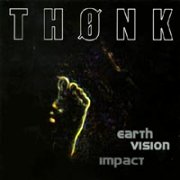
Thønk (no idea why the Norwegian 'ø' from a Swiss band) are a current progressive trio, with the 'traditional' lineup of keys/drums/bass (/occasional guitar), although they completely avoid the usual 'ELP trap', thankfully. Their music is actually quite difficult to categorise, which has to be a good thing, although some reviewers seem to detect a slight UK influence. Earth Vision Impact is instrumental and piano-driven, both features in short supply these days and that has to be real grand piano I'm hearing; samples never sound right... (Where have we heard this before?). The material is melodic and complex, but with none of the herky-jerkiness of too many current outfits, with a nice 'flow' to every track, probably assisted by Marc "Rak" Grassi's superb piano playing. Why can't we have more bands like this?
Grassi's other keyboard work is based around Hammond and (unspecified) monosynth, with the occasional polysynth part; the very digital sounds on Rak, for example, actually work in the context of the song, unlike on so many similar efforts. It has to be said, there isn't an awful lot of Mellotron on offer here, with a string part in brief opener Sulm and a few chords in Rak, but that would seem to be your lot. It seems the album was recorded at Pär Lindh's Crimsonic Studio, which explains the 'real' instruments.
So; a very good album indeed and one that may be reclassified in an upwards direction if I ever find the time to give it several good plays. Very little Mellotron, but that's not why you should buy this album, anyway. There's one overriding reason: the music. Incidentally, Thønk also contribute a track to Musea's vast Kalevala epic, Kapittu 45/46, in a similar vein to their album material, with some faint Mellotron strings that might even be real.
See: Colossus Project
 |
 |
Pass on This Side [as Thornton, Fradkin & Unger & The Big Band]God Bless California |
 |
Godzology (2000, recorded 1971-99, 62.38) ***/½ |
||
| I Know You Rider Just Like Yesterday The Ballad of Belle Star I'll Be Around Down on My Luck I Will Give a Damn Lonely Together |
God Bless California Black Gypsy Good Ol' Rock'n Roll Broadway is Blue Follow the Leader Universal Soldier A Hard Rain's a-Gonna Fall Lay Down Your Arms |
The Thornton Report I Can Never Say Goodbye Safe in Space |
|
Current availability:
Mellotrons used:
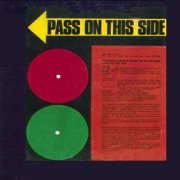
Thornton, Fradkin & Unger & The Big Band's Pass on This Side seems to be overly-convoluted: some sources would have you believe it first appeared in 1970, although Les Fradkin's Wikipedia page (clearly written by himself) gives its release date as 1974. It apparently has a Paul and Linda connection, too; I believe their then-drummer, Denny Seiwell, was involved and brought them in on the sessions, playing on God Bless California. Fradkin had been a session musician since the late '60s, while Paul Thornton was a member of the original Godz (not the later dodgy hard rock troupe), the pair finding bassist Bob Unger to complete the band. The material's mostly in a Beatles vein (Fradkin was the first 'George' in the Beatlemania stage show), probably sounding rather dated by the mid-'70s, which is why you haven't heard of it. The sleeve was plain black (as ESP's site dryly says, "Like Spinal Tap"), containing a set of stickers to make your own sleeve. Better tracks include God Bless California and Sometimes, although the album's twin nadirs are the terrible Jimi - heartfelt, I'm sure, but it really is bloody awful (and also a pointer to why this didn't appear in 1970) - and To Err Is Human, not for the song itself, but for David Peel's appalling, bellowing vocals. Who decided this was going on the record? Fradkin plays Mellotron, with cellos on M'Lady, although the strings on opener God Bless California and Christopher's Sorrow sound real.
2000's Godzology is a collection of material dating as far back as 1971, possibly referring to God Bless California, which gets a second outing here. The set starts well, with the powerpop of I Know You Rider, Just Like Yesterday and I'll Be Around, but the duo's urge for completeness leads to the inclusion of clunkers like Black Gypsy, Good Ol' Rock'n Roll and an unnecessary version of Buffy Sainte-Marie's Universal Soldier. Fradkin's Mellotron credit extends to just one track, with background strings on Lonely Together, although the strings on God Bless California and Black Gypsy sound real. Trim twenty minutes of faff and this could be a really good album.
See: Les Fradkin
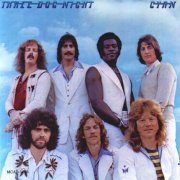 |
Cyan (1973, 35.20) ***/T½Happy SongPlay Children Play Storybook Feeling Ridin' Thumb Shambala Singer Man Let Me Serenade You Lay Me Down Easy Into My Life |
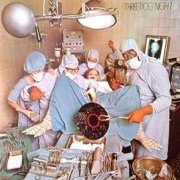 |
Hard Labor (1974, 35.30) **½/TT½PreludeSure as I'm Sittin Here Anytime Babe Put Out the Light Sitting in Limbo I'd Be So Happy Play Something Sweet On the Way Back Home The Show Must Go on |
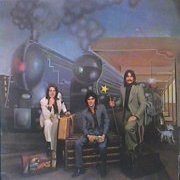 |
Coming Down Your Way (1975, 36.07) **½/T½ |
|
| 'Til the World Ends You Can Leave Your Hat on Good Old Feeling Mind Over Matter Midnight Flyer ("Eli Wheeler") Kite Man Coming Down Your Way When it's Over |
Lean Back, Hold Steady Yo Te Quiero Hablar (Take You Down) |
|
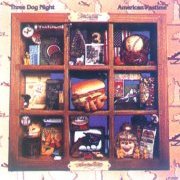 |
American Pastime (1976, 35.23) **½/TT½Everybody is a MasterpieceEasy Evil Billy the Kid Mellow Down Yellow Beach Umbrella Hang on Southbound Drive on, Ride on Dance the Night Away |
Current availability:
Chamberlins used:
Three Dog Night, with their distinctive three-vocalist attack, hit their peak at the end of the '60s, but were losing popularity by the middle of the following decade. From what little I've heard of their earlier stuff (they never meant much in the UK, despite their one major hit here, 1970's Mama Told Me (Not To Come)), they'd become, if anything, even more bland by this stage in their career; soft rock for the masses, to be honest. They were never a band to go out on a limb, but then, wasn't that what they were about? And who am I to argue?
1973's Cyan is pretty much what you'd expect, better tracks including opener Happy Song, vocal showcase Play Children Play and the funky Ridin' Thumb. This was before Skip Konte's membership of the band, making it most likely that Jimmy Greenspoon plays the Chamberlin (?) major string and minor flute parts on Storybook Feeling, including heavily-phased strings towards the end of the track and the string and flute parts on closer In My Life. Thanks, incidentally, to Mark for pointing me at this one.
They released Hard Labor in 1974, with a legendarily crap sleeve design (without or without the sticking-plaster). As always, all the material consisted of covers (they had a reputation at one point for recording songs by up-and-coming writers who later made it big in their own rights), with names I recognise including John Hiatt, Jimmy Cliff, Allen Toussaint and Leo Sayer, but any oomph that the songs may have had originally was long gone by the time Three Dog Night had finished with them. New keys man Skip Konte played Chamberlin (a monster four-manual M4, apparently) on several tracks, however, with the most overt use being the strings on I'd Be So Happy and the flute melody on the title track, although Sayer's The Show Must Go On and Prelude, utilising the same 'circus theme', feature various string and brass parts, too. Incidentally, the rear sleeve pic has a tantalising glimpse of what is almost certainly Konte's Chamberlin, although it's largely hidden behind an amp stack. Bugger.
The following year's Coming Down Your Way (poor sleeve again) actually has track-by-track credits, proving that the 'orchestral' strings on opener 'Til The World Ends are actually Chamby, although I can't really say they make the song any better. They manage to mangle Randy Newman on You Can Leave Your Hat On and actually break with tradition by playing one of Konte's songs in Midnight Flyer ("Eli Wheeler"). Chamberlin on two other tracks, with flutes on Kite Man and When It's Over, along with a 'proper' string arrangement on the latter.
The band were, to be honest, well past it by the time they released American Pastime, in '76. They were apparently back down at club level by this time, with founder member Danny Hutton no longer part of the band, breaking the triumvirate of singers that had propelled them to fame and fortune just a few years earlier. Anyway, as with their previous few releases, there's some Chamberlin to be heard here, almost certainly played by Skip Konte again. All highlighted tracks feature strings and flutes, often simultaneously, made possible by the multi-manual setup of the gargantuan M4.
So; none of these are the most exciting of albums, although there's some reasonable Chamberlin work on all of them, so maybe they're worth hearing for that. Maybe. There's no Chamby on 1973's live double, Around the World with Three Dog Night and as far as I can work out, the band retired from recording for some years in the late '70s, returning well into the polysynth era, so this is very probably it for their tape-replay work. Good - at least that means I don't have to listen to any more of it..
See: S.S. Fools
 |
Three Fish (1996, 57.03) **½/½ |
|
| Solitude Song for a Dead Girl Silence at the Bottom The Intelligent Fish Zagreb All Messed Up Here in the Darkness The Half Intelligent Fish |
Strangers in My Head A Lovely Meander Build Stupid Fish Secret Place Elusive Ones Laced |
|
Current availability:
Mellotron used:
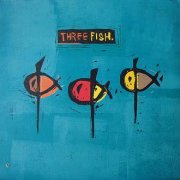
Three Fish were a minor '90s supergroup consisting of Jeff Ament (Pearl Jam), Robbi Robb (mildly underrated South Africans Tribe After Tribe) and, er, Richard Stuverud, whose first eponymous album (of two) sounds pretty much as you'd expect: very slightly world-influenced grunge. Its better moments include the acoustic Zagreb and Robb's rather odd spoken-word-over-minimal-acoustic-backing 'fish trilogy' morality tales, The Intelligent Fish, The Half Intelligent Fish and Stupid Fish, although tiresome nonsense like Strangers In My Head and Elusive Ones seem to go on forever.
'Honorary fourth Fish' Cary Ecklund plays (very) occasional Mellotron, with fat church organ chords (OK, chord) all over All Messed Up, although that would appear to be it. This has its moments, but frankly, they're few and far between, so with so little Mellotron content, I'm afraid a recommendation's a no-no.
See: Pearl Jam
 |
A Third of a Lifetime (1971, 51.28) ***½/T |
|
| Butter Queen Daze Another Way A Third of a Lifetime Nice One Three Man Army Agent Man See What I Took |
Midnight Together |
|
Current availability:
Mellotron used:
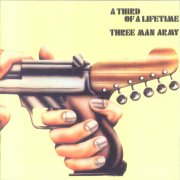
Brothers Adrian and Paul Gurvitz (a.k.a. Curtis) formed Three Man Army after splitting The Gun around the turn of the '70s, carrying on that outfit's predisposition for heaviosity. I'm rather surprised I haven't picked up on this lot earlier, as in around 1977, when I first started buying albums properly; their debut, A Third of a Lifetime, is a prime slice of early hard rock, bearing favourable comparison with the likes of Stray or even Budgie. Hard to pinpoint highlights, although Daze had my foot tapping uncontrollably.
I thought it was going to be Mellotron on the title track, but it turned out to be real strings, leaving closer Together as the only Mellotron track here, with a nice orchestrated MkII strings part throughout much of the song. So; definitely worth it for fans of the era, although not for the Mellotron. Beware: the 1990 German Repertoire issue not only has no bonus tracks, unlike later versions, but has also been mastered from vinyl.
See: The Gun
 |
Three Minute Tease (2011, 42.31) ****/TTT |
|
| Love is Onion Milko II Thanks for Lifting My Leg Dust Beneath My Wings My Potato These Alien Angels Sensual Pleasure of Pie Dig My Bones |
Up on the Moon Queen of Apples [Unlisted] [Love is Onion] |
|
 |
Bite the Hand (2014, 43.20) ***½/TT½ |
|
| Bravely Fade Away Drinking Horn MTV Song Drain the River Beanpole Ciao Ciao Chicken When I Was 46 in the Year 13 Tie My Laces |
Coffee That Makes the Man Go Mad Tell Me Wave Hello |
|
Current availability:
Mellotrons used:
 |
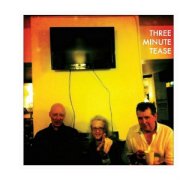
Three Minute Tease are US ex-pat Anton Barbeau's powerpop trio, completed by the 'other two' members of Robyn Hitchcock's Egyptians, bassist Andy Metcalfe and drummer Morris Windsor. Their eponymous 2011 debut shifts between ringing powerpop (opener Love Is Onion, Thanks For Lifting My Leg) and more reflective material (Dust Beneath My Wings, These Alien Angels), particular highlights including the joyous Love Is Onion, the beautiful Milko II and the sparse-yet-rhythmic Up On The Moon.
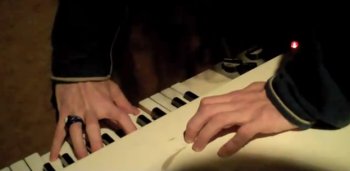
Upon finding a Mellotron in the kitchen at their studio, facing the wall (right), Barbeau managed to extract a few parts from it, although he also openly credits the M-Tron. Anyway, we get a high string line on Love Is Onion, something (background choirs?) on Dust Beneath My Wings, definite choirs on My Potato, a choir swell at the beginning of Sensual Pleasure Of Pie, followed by upfront strings, with chordal flutes and cellos on Dig My Bones, choirs towards the end of Up On The Moon and, finally, strident strings on the unlisted twelfth track, what sounds like an early instrumental mix of Love Is Onion. Did the M400 provide the strings, flutes and cellos and the M-Tron the choirs? Either way, a fine album, worthy of your hard-earned sheckels. Anton tells me that he's already sourced another Mellotron for the follow-up, so watch this space...
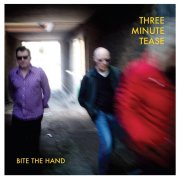
...And here it is! Three years on, Bite the Hand is more eccentric than its predecessor, highlights including Drinking Horn, with its refrain of 'Look at me now!', When I Was 46 In The Year 13 and Tell Me; while possibly lacking Three Minute Tease's peaks, it's still a strong album overall. Plenty of (going by the above, presumably real) Mellotron, played by Barbeau and Alexandra Simon, with choirs on MTV Song, distant string notes on Drain The River, occasional block string chords on Beanpole, a complex flute part on Ciao Ciao Chicken, choppy flutes and distant choirs on Coffee That Makes The Man Go Mad and chordal choirs on Tell Me. And how about those mandolins on When I Was 46 In The Year 13? Sort-of Mellotronic, but a most unusual sound to find on a tape-frame...
See: Anton Barbeau | Robyn Hitchcock
 |
Life's Road (2011, 64.15) ***½/½Too Many ChoicesCold to the Bone Down to the Bottom Each to Their Own Feel Alive An Endless Delusion Since Our First Day Moving on Life's Road |
Current availability:
Mellotron used:
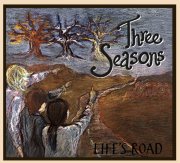
Three Seasons are a new Swedish psych trio, heavily augmented by a keyboard player; Sartez Faraj's guitar tone is pure Strat-through-Marshall, so we're not talking 'English whimsy' here, more 'early '70s over-amped American lunacy'. Their debut, 2011's Life's Road's chief fault is its length; if you're going to make music that sounds like it's from 1972, chaps, keep to vinyl length; an hour-plus really is too long. Saying that, it's a good album, highlights including the lengthy An Endless Delusion and the similarly lengthy title track, although some trimming could've been done in places.
Said keyboard player, Mattias Risberg, plays what sounds like real Mellotron strings on the title track, albeit sparingly, so you're not going to buy this for its Mellotronic input. While not actually prog per se, this will appeal to many prog fans, particularly those who cross over into hard rock territory. Worth hearing.
 |
The Atrocities EP (2013, 26.11) ***½/T½AtrocitiesAt the Centre of Dystopia At the Centre of Dystopia (Pseen mix) Atrocities (Aymeric Thomas mix) Atrocities (Mister mix) Atrocities (Th. Tot mix) Aeon Surveillance |
 |
Chroma (2014, 42.35) ****/T |
|
| Atrocities At the Centre of Dystopia Daybreak Monuments Animism A Thousand Piercing Lights Aeon Surveillance [MKII] Hazard Rapture |
Amnesia Lieke Channel 0 |
|
Current availability:
Mellotrons used:
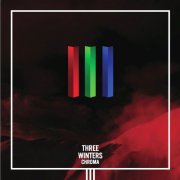
Norwegian electronic trio Three Winters (presumably named for Tena Štivičić's play) are, essentially, the Scandinavian Ultravox (with or without the !). The Atrocities EP was only ever available on cassette (tres hipster), but can now be found on Bandcamp. It actually only features three tracks, albeit with some radically different mixes, Atrocities itself probably being the highlight. Lars Fredrick Frøislie (Wobbler, White Willow etc. etc.) adds Mellotron to three tracks, with sparse choirs on the title track and its Th. Tot Mix and a choppy flute line on its Aymeric Thomas Mix.
Their debut proper, 2014's mostly-instrumental Chroma, stuffed to the gills with analogue synths, covers all the synthpop/rock bases, from pounding, mid-paced opener Atrocities through the rhythmless Daybreak Monuments, the dance-inflected Aeon Surveillance [MKII] to Lieke, which builds from a simple synth riff for a glorious five minutes. Of course, modern, programmed dance music is heavily influenced by the likes of Ultravox and Gary Numan in the first place, so perhaps the wheel's simply turned full circle. Frøislie only just plays Mellotron, with choirs on Atrocities and (briefly) Lieke, although the drifting choirs on Amnesia don't sound Mellotronic to my ears. This really is an excellent album, absolutely not what I was expecting. Aside from a panoply of pre-digital synths, its strongest feature is the band's ability to write superb melodies; after all, most music, popular or otherwise, stands or falls on the strength of its tunes. Recommended.
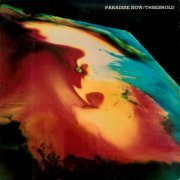 |
Paradise Now (1981, 36.55) **½/T½ |
|
| Moon They Call Me Crazy Real Me Memories Empty Like Space Sun After the Hospital Desert |
Light of Silence (Parts I-III) Aloha |
|
Current availability:
Mellotron used:
Over two decades before Brit-prog metal hopefuls Threshold appeared, a Finnish band had already nabbed the name, recording what I believe to be the one album, Paradise Now, in 1981. It's an extremely mixed affair, giving the impression that the band hadn't really got the faintest idea what kind of sound they were going for. Opener Moon giving the impression it's going to be an electronic album, before They Call Me Crazy crosses Pink Floyd with Black Sabbath. With a sax solo. Real Me's a short acoustic number, while Sun, Empty Like Space and several other tracks are sort-of new wave/synthpop, making for a rather unsatisfyingly diverse (read: unfocussed) listen.
Ari Taskinen and Esa Kotilainen (Sarcofagus) play what I presume to be the latter's M400, though only on the last two tracks, the proggy Light Of Silence (Parts I-III) and Aloha, with flutes, strings and cellos, as if to make up for the machine's lack elsewhere. Aside from the fact that it's very unavailable, I couldn't really recommend that you track down a copy of Paradise Now for a bit of Mellotron use; musically, it's a mess, although it has its moments, while two Mellotron tracks just aren't enough to make it worthwhile.
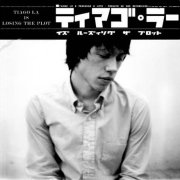 |
Tiago La is Losing the Plot (2006, 15.28) **½/T½Lucien GuideAges for Avedon Jettisoned (Interlude) Hostage Casualty at Stative Square Tiago La |
Current availability:
Mellotron used:
Drew Brown (a.k.a. S.A. Andrée) is the man behind Tiago La is Losing the Plot, releasing his project's eponymous EP in 2006, '07, '08 or '09, depending on your source of reference. Is there a concept here? No idea, but the music is common-or-garden indie, American style, at its least tedious on opener Lucien Guide, he said, grudgingly.
Brown plays what sounds like real Mellotron, with a brief, skronky string part on Lucien Guide, wobbly flutes and strident strings on Jettisoned (Interlude) and flutes on Hostage, nice to hear, but rather wasted on something this dull.
 |
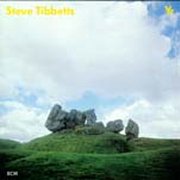 |
Yr (1980, 38.08) ****/TTUrHere Come the Sphexes Ten Years One Day Three Primates You and it The Alien Lounge 10 Yr Dance |
Current availability:
Mellotron used:
One of Scott Hamrick's:
One of the most refreshing and important musical discoveries I have made in the last year is the music of Steve Tibbetts. While this started with the jaw-dropping and appropriately named 1986 album Exploded View (****½), the only album I have that is of interest to Mellotron enthusiasts is 1980's Yr.
This is Tibbetts' second album and it hints at the nature of his later work but is more accessible. This is mostly an acoustic affair and is dominated by guitar and a variety of exotic percussion ranging from the African kalimba (thumb piano) to congas and the Indian tabla drum. Imagine an acoustic guitar virtuoso like John Fahey, Leo Kotke or Michael Hedges had recruited Edgar Froese and a couple of hand drum experts to record an album and you'll get the idea of what Yr has to offer. All the tracks offer moments of brilliance, like when Moog briefly swirls in and out of the mix and across the stereo field on Alien Lounge - or when Ten Years settles into a trance-inducing groove led by the tabla drums. Yr is mostly folksy though, especially on One Day, which has a traditional, Americana feel due to the use of mandolin and fiddle that would not sound too out of place in a country song. The latter was supposedly mixed out of the ECM reissue of the album due to ECM not being able to obtain rights from the fiddle player. So if you must hear the fiddle, you'll have to search out the scarce privately issued LP on the Frammis label.
Tibbetts apparently intended Yr to be a headphone album, as the notes on the back cover include the comment, "Use yr headfones" (sic). Unfortunately, headphone moments and forays into more progressive and unpredictable territory - like Tibbetts' always exciting electric guitar work - occur sporadically throughout the LP. The result is that listeners may find themselves waiting for the fleeting moments of ecstasy that do occur (as opposed to the rest of the album, which is 'merely' good). Still Yr is a fine, original album and will be more than sufficient to open your eyes to the overlooked genius of Steve Tibbetts.
Mellotronically, Yr is of fairly minimal significance. Mellotron finds its way onto half the tracks, but it's used sparingly and is almost entirely relegated to strings and some very subtle flutes. You And It provides the biggest Mellotron thrills with the machine providing string sounds throughout much of the track and culminating in the veritable Mellotron cadenza at the end of the piece that sounds like it could have come straight out of an early Edgar Froese solo album.
| Scott Hamrick |